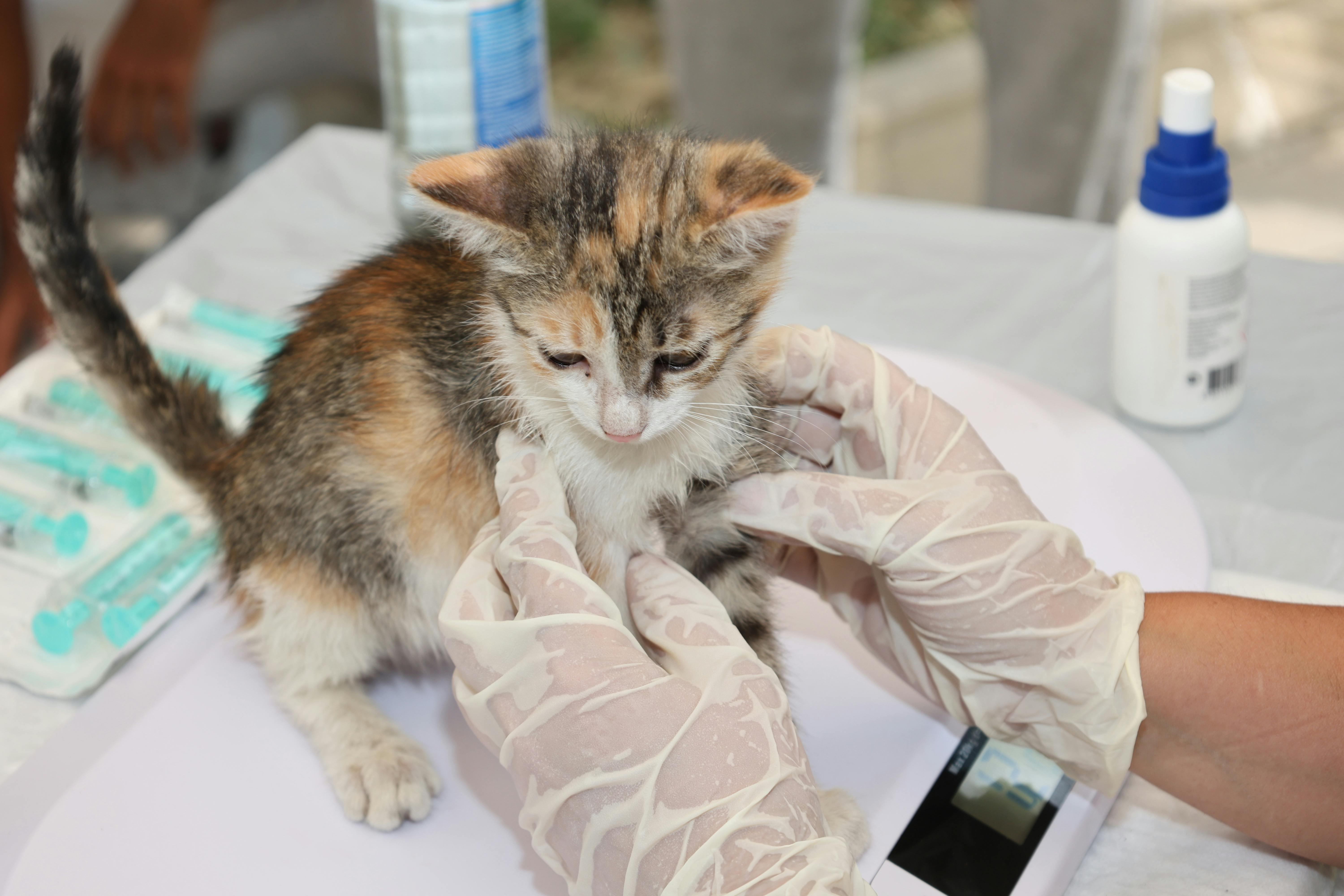
Integrative care has become a meaningful part of modern veterinary medicine. Many clinics are beginning to recognize that pet owners want thoughtful treatment paths, especially when medication, surgery, or euthanasia is offered too quickly for a condition that could be supported in gentler ways. These traditional interventions still matter, but they are not always the best first step. Acupuncture gives practices another avenue, one that helps families feel that every reasonable option has been explored before moving to more invasive care. There is a growing awareness among pet owners that conventional clinics often lack alternatives simply because they were not part of the standard curriculum. Many veterinarians graduate with deep clinical knowledge but limited exposure to integrative tools that can reduce discomfort and encourage healing without adding more pharmaceuticals. This situation creates a gap between what clients are hoping for and what veterinarians feel equipped to provide.
Dedicated educational programs exist to fill the gap left by modern veterinary training, offering veterinarians a deeper understanding of holistic veterinary care and alternative veterinary treatments. These schools focus on teaching clinicians how to approach problems without immediately turning to medication or surgery. By exploring integrative medicine and the principles behind veterinary acupuncture, practitioners learn broader, gentler possibilities for care, which strengthens client trust and elevates the practice’s identity.
For many practices, the advantages expand far beyond improved patient comfort. They shape how clients perceive the clinic, how treatment plans are developed, and how the business grows. In this article, we’ll explore the specific reasons why acupuncture has become such a valuable addition to forward thinking veterinary practices.
- Expands Treatment Options Without Heavy Equipment Costs
Veterinary practices are continually evaluating which services they can offer without overstretching their resources. Acupuncture is one of the few advanced therapeutic options that does not require expensive machinery or facility upgrades. With proper training and certification, a veterinarian can begin offering acupuncture in a quiet exam room with minimal physical equipment. Because of this low equipment burden, acupuncture allows clinics to broaden their capabilities faster than with many other services. It gives veterinarians another path to support mobility, comfort, and healing in cases where traditional treatments may feel too aggressive or incomplete.
Another benefit is the flexibility of implementation. The clinic can begin with a small number of cases each week, then gradually expand as the practitioner becomes more familiar with different conditions and techniques. This creates a smooth adoption curve that fits naturally into the flow of the practice. Acupuncture also provides something that resonates with today’s clients. Many families want conservative care options, and acupuncture gives practices a meaningful way to provide that without strain on the clinic’s financial structure.
- Improves Patient Outcomes and Increases Client Satisfaction
Clients notice when their pets feel better, and many pets show relief after acupuncture sessions. This improvement builds trust between the veterinarian and the family. When a clinic offers a therapy that reduces discomfort without additional medications, clients appreciate the thoughtful approach. Over time, consistent results shape the overall reputation of the practice. Families become loyal, referrals increase, and clients begin to rely on the clinic for more than routine care. They see it as a place where every reasonable avenue is considered before escalating treatment.
- Differentiates the Practice in a Competitive Market
Veterinary clinics often compete for client attention, especially in service dense areas. Offering acupuncture helps a clinic stand out, appealing to families who value integrative, whole body wellness. As interest in natural therapies grows, clients actively seek clinics that offer these options. In addition, expanding the clinic’s identity beyond conventional medicine positions the veterinarian as someone who thinks critically and stays current with evolving approaches in animal health.
- Enhances Revenue Through a High Value, Repeatable Service
Acupuncture supports steady business growth by encouraging recurring appointments. Many patients benefit from ongoing sessions, which creates predictable scheduling and revenue patterns. These visits also strengthen communication between veterinarian and client, leading to a healthier long term relationship. Recurring veterinary acupuncture sessions create multiple opportunities for monitoring progress, refining treatment plans, and identifying new concerns early. This continuity allows the clinic to remain involved and supportive throughout the pet’s healing journey, enhancing both care quality and business stability.
- Supports Hard to Treat Conditions That Conventional Care Alone May Not Fully Address
Some veterinary cases require more nuanced approaches than medication or surgery can provide. When a pet struggles with chronic discomfort, mobility limitations, or neurologic concerns, acupuncture adds an important therapeutic layer. Acupuncture can influence pain pathways, reduce inflammation, and improve circulation in ways that complement traditional treatments. For many veterinarians, this expands their ability to treat conditions that once felt frustrating or limited in scope. Another benefit is that acupuncture allows veterinarians to respond with compassion when clients hesitate to pursue surgery or heavy medicinal regimens. The practitioner can offer an option that feels more approachable, less intimidating, and still rooted in medical reasoning. There are also cases where acupuncture allows progress that conventional care cannot easily replicate. These may involve subtle neuromuscular imbalances, chronic tension, or slow to heal injuries. By stimulating targeted points, the veterinarian can support the body’s natural healing processes in a way that feels gentle and intentional.
Finally, acupuncture provides emotional value for the client. It helps them feel that the clinic has not given up on their pet or defaulted to extreme measures before exploring moderate ones.
- Strengthens Veterinarian Client Communication and Trust
Acupuncture sessions naturally create moments for discussion. As the patient relaxes, the veterinarian has time to explain findings, discuss progress, and answer questions in a setting that feels calm rather than rushed. These interactions foster lasting trust. Clients appreciate the opportunity to understand the reasons behind a treatment plan. When a veterinarian uses acupuncture thoughtfully and communicates openly during appointments, clients feel more connected to the clinic and more confident in the care being provided.
- Aligns the Practice With Holistic and Integrative Medicine Trends
Pet owners today are increasingly drawn to wellness approaches that look at the whole animal rather than addressing symptoms alone. Acupuncture allows clinics to participate in this movement in a structured and scientifically grounded way. It shows that the practice values both traditional medicine and complementary options, which makes it appealing to a wider audience. The specialized schools that train veterinarians in integrative therapies provide a strong foundation for this work. Their programs focus on anatomy, neurophysiology, case based learning, and safe clinical application. They emphasize critical thinking and measurable outcomes, which helps veterinarians feel confident introducing acupuncture into their treatment plans. These programs also cultivate a mindset that blends scientific precision with compassionate care. Graduates learn how to evaluate the animal holistically, identify subtle dysfunctions, and build treatment strategies that support long term wellness.
Clinics that adopt acupuncture through this type of training become known for offering thoughtful and advanced care rather than surface level trend following. As interest in integrative medicine continues to rise, practices that offer acupuncture stand at the forefront of a cultural and clinical shift. They are recognized as leaders rather than followers and become destinations for families seeking modern, comprehensive veterinary care.
A Closing Reflection
Acupuncture strengthens veterinary practices in ways that affect clinical care, business stability, and client relationships. It gives veterinarians a path forward when traditional treatments feel premature or too aggressive, and it empowers them to provide options that many clients wish were offered more often. As more families search for conservative and compassionate approaches, clinics that embrace acupuncture position themselves as trusted, thoughtful providers. They offer care that honors both the science of medicine and the value of gentle healing, creating a well rounded experience that benefits the entire practice.